ARTICLE AT A GLANCE
Learn how to read a food label like a nutrition expert. Discover what calories, protein, fats, carbs, fiber, sodium, and micronutrients really mean for your metabolism, longevity, and performance.
Understanding the Modern Nutrition Label
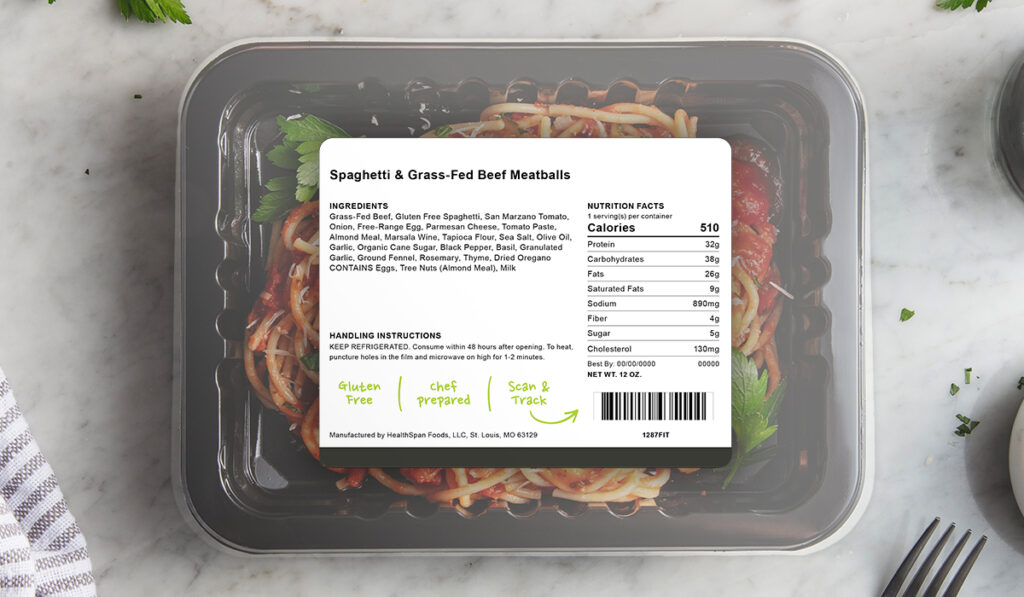
Every meal you eat tells a story — and that story starts on the nutrition label. While most people glance at calories or protein, the real insights come from understanding how macronutrients, micronutrients, and ingredients work together to support energy, metabolism, and long-term health.
Here’s a quick, science-driven breakdown of what each section actually means — and how to use it to make better choices.
Calories: Energy In, Energy Out — But Quality Matters Most
Calories measure how much energy your body receives from food.
To lose weight: eat slightly fewer calories than you burn.
To gain muscle or strength: maintain a small surplus.
To maintain: stay close to your body’s daily energy needs.
However, where those calories come from matters even more. Two meals with identical calorie counts can produce drastically different effects on metabolism, hormones, and recovery.
A 500-calorie meal made from processed oils and refined carbs can slow progress, while one built from grass-fed protein, clean carbs, and healthy fats can accelerate it.
Calories define quantity — ingredients define quality.
Fats: Friend, Not Foe
Once misunderstood, fat is now recognized as essential for hormone production, brain health, and cellular energy.
The Recommended Daily Allowance (RDA) suggests 25–35% of total calories from fat, but that can vary:
Higher-fat, lower-carb diets can improve satiety and metabolic flexibility.
Higher-carb, lower-fat diets better support thyroid function and athletic performance.
Focus on quality:
Monounsaturated fats – olive oil, avocados, almonds
Omega-3s – wild fish, chia, flaxseed
Limit industrial seed oils (soybean, canola, corn), which are linked to inflammation and oxidative stress.

Carbohydrates: Fuel for Performance and Thyroid Health
Carbs are your body’s most efficient source of fuel — especially for your brain and muscles.
Easily digestible options like fruit, white rice, and potatoes help maintain thyroid function, metabolism, and steady energy.
After a workout, your muscles are more insulin-sensitive, meaning carbs are shuttled toward recovery rather than fat storage.
On the other hand, staying too low-carb for too long can negatively impact thyroid health, slow metabolism, and affect mood. Tools like carb cycling, refeed days, or carb back-loading can help sustain performance while managing fat loss.
When carbs go up, fats should generally come down — this balance supports better metabolic control.
Fiber: The Gut’s Unsung Hero
Fiber supports digestion, insulin regulation, and the gut microbiome. The right types of fiber enhance satiety, reduce inflammation, and stabilize blood sugar.
Soluble fiber (oats, fruits, sweet potatoes) slows digestion and supports cholesterol balance.
Insoluble fiber (vegetables, seeds) promotes healthy bowel function.
For gluten-free eaters, fiber from fruits and resistant starches (like cooled potatoes) maintains gut health without irritation. Avoid excessive processed fibers like inulin or chicory root, which can cause bloating in sensitive individuals.

Logging your nutrition details highlights good and bad habits which allows you to make better choices over the long run. Scan your Metabolic Meals’ barcodes within your favorite nutrition apps.
Protein: The Foundation of Strength and Longevity
Protein is more than a muscle-building nutrient — it supports enzymes, hormones, immune health, and neurotransmitter production. Your muscular system itself functions as a metabolic organ, crucial for glucose regulation and healthy aging.
Aim for 0.75–1 gram of protein per pound of body weight, adjusting for activity level.
Best sources include:
Grass-fed and pasture-raised meats
Wild-caught fish
Free-range eggs
Clean plant proteins such as quinoa or lentils
Protein preserves lean mass, boosts metabolism, and promotes long-term vitality — all essential for aging well.

Sodium: Misunderstood but Essential
Sodium isn’t the villain it’s often made out to be. True health issues typically stem from electrolyte imbalances, not sodium itself.
Sodium supports hydration, nerve function, and adrenal health.
Choose quality sources:
Celtic, Himalayan, or sea salts
Whole foods like bone broth and fermented vegetables
If you train hard or sweat frequently, sodium becomes even more vital. Also consider iodine-fortified salts for thyroid support — especially on lower-carb or low-iodine diets.
Micronutrients: The Hidden Story on Every Label
Most labels only list a few vitamins and minerals, but your body relies on dozens. The ingredient list often gives the best clues about micronutrient quality.
Meals rich in colorful produce, clean proteins, and whole-food carbs naturally deliver:
Magnesium for energy and recovery
Vitamin D3 and K2 for bone and immune health
B vitamins for metabolism and focus
Deficiencies can lead to fatigue, poor recovery, and hormonal imbalance. Variety — not supplementation alone — is the best insurance policy.
Ingredients: Where Quality Begins
The ingredient list tells the truth behind the label. Fewer, more recognizable ingredients almost always mean better nutrition.
Choose meals built from whole foods and avoid artificial additives or refined seed oils. The shorter and more transparent the ingredient list, the better the metabolic outcome.

The Takeaway
A food label isn’t just information — it’s insight into your body’s future performance. Calories guide energy balance, but nutrient quality, ingredient sourcing, and metabolic balance drive real results.
At Metabolic Meals, our approach is simple: combine convenience with science by crafting chef-prepared meals made from clean, nutrient-dense ingredients — helping you perform, recover, and thrive long-term.
Understanding your food label is the first step to mastering your healthspan.
Find the nutrition you need on this week’s menu.
SHOP NOW >